 by
by AI will not save sex work. Sex workers who treat it like a staff member will out-earn the ones who treat it like a monster.
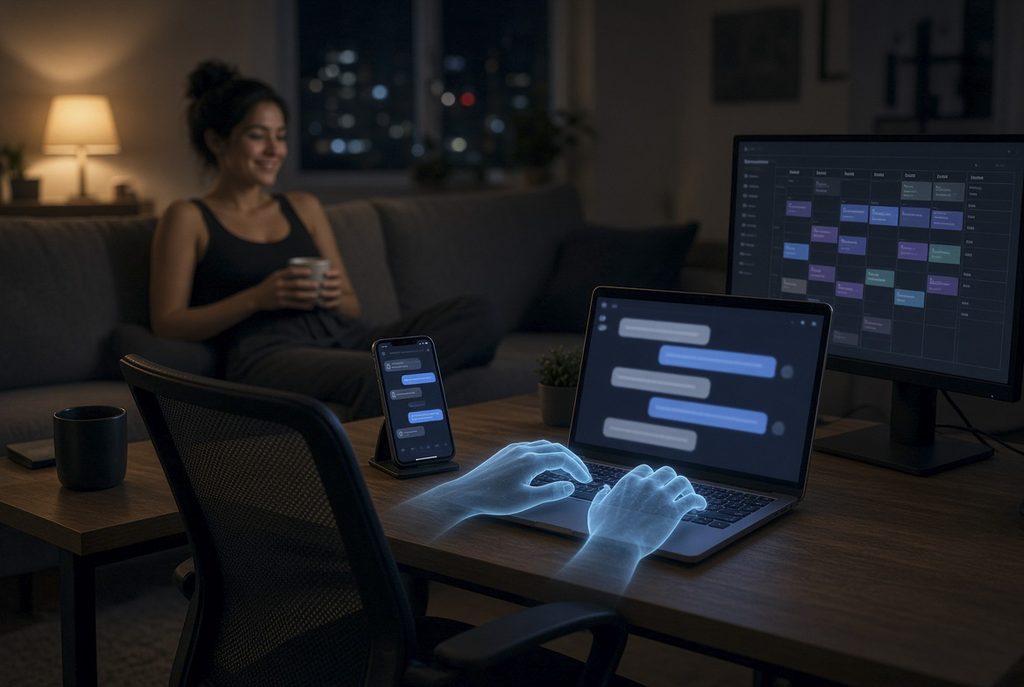
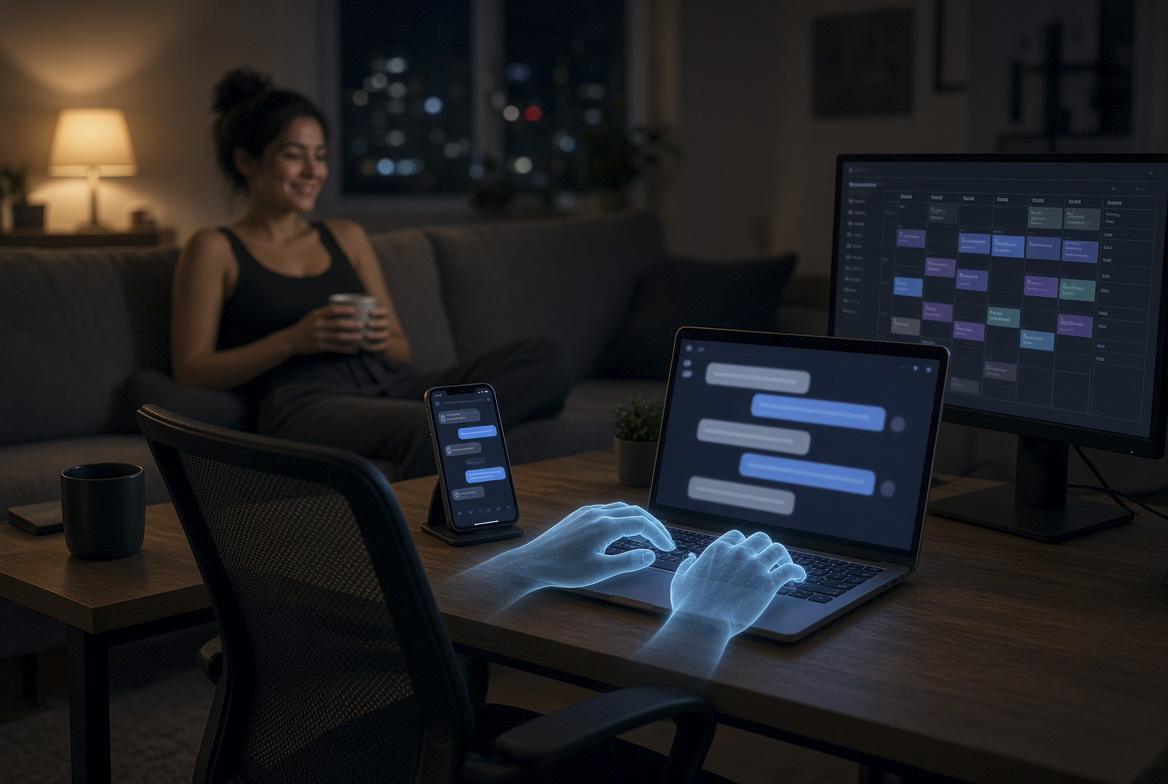
The panic version of this story is easy to write. Clones, rate collapse, stolen faces. All of that is real. It is also incomplete. While commentators argue about replacement, working creators are already using models to draft DMs, write shot lists, price PPV, translate captions, and keep a page alive at 3 a.m. without being awake.
The useful question is not whether AI is coming for the industry. It already did. The useful question is who owns the output.
The job was never just the sex
A modern adult creator is a performer, editor, copywriter, bookkeeper, community manager, and unpaid crisis line. Fans expect a reply in minutes. Platforms expect a feed that never goes dark. Customs arrive as one-line fantasies with no plot. Burnout is not a vibe. It is the business model.
That is the work AI is good at. Not the live orgasm. The pile.
Creators told The Verge they train chat tools on their own voice so they can still sound like themselves on days they are running at 30 percent. One line that should be on a studio wall: it lets them operate at 90 percent when they are at 30. That is not “fake intimacy.” That is labor coverage.
Niche customs get a script and a shot list instead of a blank stare at the ceiling. Captions, mass-message hooks, content calendars, SEO tags, and rejection language for fans who push past a boundary can be drafted in minutes, then edited by a human who still hits send. Tools built by creators, such as GPTease, exist because mainstream models flinch at the work and still want the training data.
Scarcity is the product. AI can manufacture it
Here is the part the doomers skip. If a bot can handle the cheap, repetitive attention, the human hour becomes rarer. Rarer is more expensive.
Performers who divert routine chat and impossible-position requests into licensed avatars are not disappearing. They are repricing live time. Some already report charging more for original, non-AI work once fans understand that the person is finite and the clone is not. That is basic supply and demand, not a TED Talk.
Digital twins with contracts and disclosure — OhChat, Joi, SinfulX and the rest — let a name keep earning while the body sleeps, tours, ages, or leaves set. Cherie Deville called it a business strategy. Another performer put it without romance: she has never been awake from 11 p.m. to 7 a.m., and now a 24-hour clone can hold the brand. Fans who want the human still buy the human. Fans who want 4 a.m. dirty talk buy the machine. Both can pay the same person if the license is not a trap.
Transparency is not a moral extra. It is a sales pitch. “You know who you are talking to” beats the current gray market where agencies already run low-wage chatters pretending to be the star. A labeled AI is cleaner than a secret call center.
Safety is a feature, not a sermon
AI will not make in-person work harmless. It can still move the worst requests off a body.
A client who wants a scene the performer will not shoot can be offered a generated or cloned version instead of a guilt trip or a walkout. The same stack helps on the boring safety work: draft a firm no that still keeps the whale, flag a disrespectful inquiry, write ads that do not overpromise, generate alt text and watermarks, tweak preview faces just enough to confuse scrapers. Discretion tools are not glamorous. They keep people housed.
Use it like a junior, not like a twin you cannot fire
The pro-AI case collapses if the contract is stupid.
Do not sign perpetual likeness grants with no audit, no kill switch, and no cut after you leave. Do not let a vendor train a public model on your unreleased vault. Do not run fully autonomous DMs on platforms that ban them — OnlyFans still draws that line — and then act shocked at a ban. Draft, review, send. Label synthetic content. Keep the send button.
The winning setup in 2026 is dull on purpose: AI drafts, humans approve, EU-style disclosure where required, #AI tags where the platform demands them. Vendors selling “undetectable, fully autonomous, your fans will never know” are selling you a ToS violation and a reputation hit.
Worker-built tools beat studio-built cages. If the model writes in your voice because you fed it your writing, you still own the voice. If a platform owns the twin forever, you sold the shop.
The industry already automated the wrong people
Agencies have been replacing the star in the inbox for years with chatters. AI is a cheaper chatter. That can be theft of a Filipino worker’s wage and a raise for a solo creator who could never afford a team. Both things can be true. A worker-centered use of the tech is obvious: the person whose face is on the page keeps the margin, sets the boundaries, and uses the model to stop drowning.
Pretending the pre-AI inbox was authentic is nostalgia. Most high-volume pages were already a production. AI just made the production visible.
What “pro” actually means
Pro-AI for sex workers does not mean pro-platform, pro-deepfake, or pro-men-with-a-GPU cloning strangers.
It means:
- Keep the likeness behind a contract you can exit.
- Let the machine do captions, calendars, first-pass sexts, translations, and 3 a.m. coverage.
- Sell the human hour as the premium SKU.
- Disclose the bot.
- Treat every “passive income clone” as a rights negotiation, not a gift.
Porn has always eaten new tech first: print, VHS, the web, mobile payments. The workers who survived were not the ones who banned the format. They were the ones who priced it.
AI copies faces. It still cannot show up sore, change the subject, laugh at the wrong time, or walk out. That remainder is the business. Use the machine to protect it.
See our reverse argument for Cons of AI for Sex Workers in the Adult Industry.